
Skateboard Deck Size Guide: A Comprehensive Overview (Updated 04/13/2026)
Navigating the world of skateboarding begins with selecting the right deck size․ This guide offers detailed insights, ensuring a comfortable and controlled ride for all skill levels․
Understanding Skateboard Deck Width
Deck width is the most crucial measurement when choosing a skateboard․ It directly impacts stability, control, and the ability to perform tricks․ Measured in inches, skateboard deck width typically ranges from 7․5 to 8․5 inches, though variations exist․ A wider deck provides greater stability, making it easier to land tricks and maintain balance, particularly beneficial for beginners or those with larger shoe sizes․
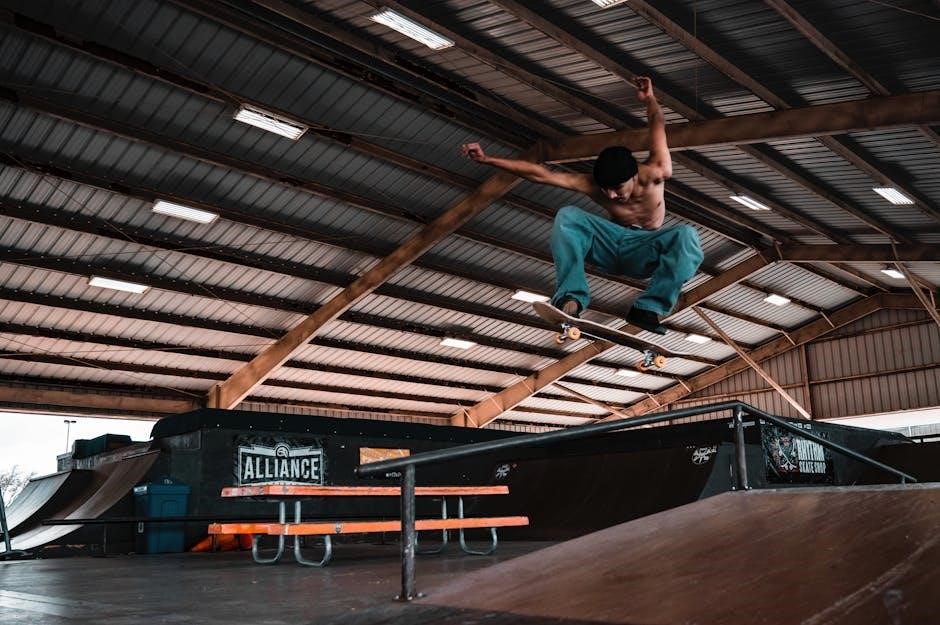
Conversely, a narrower deck offers increased maneuverability and quicker response times, favored by experienced skaters focusing on technical street skating․ The width influences how easily you can flip the board and execute precise movements․ Consider your skating style and physical attributes when determining the ideal width․
Generally, wider decks are more forgiving, while narrower decks demand greater precision․ Understanding this relationship is key to selecting a deck that complements your abilities and preferences․ Don’t solely rely on general recommendations; personal feel is paramount․ Experimenting with different widths, if possible, will help you discover what suits you best․

Standard Skateboard Deck Sizes
While deck width is paramount, understanding standard sizes provides a helpful starting point․ 7․5” to 8․0” decks are commonly recommended for younger skaters or those with smaller feet (US shoe size 6-8)․ These widths offer a balance of control and maneuverability, ideal for learning foundational skills․
The 8․0” to 8․25” range represents the most popular and versatile size, suitable for a wide range of skating styles and skill levels․ This is a great all-around choice for street, park, and cruising․ Skaters with US shoe sizes 8-10 typically find this width comfortable;
For those prioritizing stability, particularly in transition skating (ramps and bowls) or with larger feet (US shoe size 10+), 8․25” and wider decks are preferred․ These provide a more planted feel and increased leverage․ Beyond 8․5”, decks become increasingly specialized for specific disciplines․ Remember these are guidelines; personal preference always takes precedence․
Sizing Based on Shoe Size
A strong correlation exists between shoe size and optimal deck width․ While not a rigid rule, it’s a valuable consideration․ Skaters wearing US shoe sizes 6 to 8 generally find decks in the 7․5” to 7․75” range comfortable and manageable․ This provides sufficient control without feeling overly bulky․
For shoe sizes 8 to 10, the sweet spot typically falls between 7․75” and 8․25”․ This offers a balance of stability and maneuverability, accommodating various skating styles․ Many skaters in this range experiment within this spectrum to find their perfect fit․
Individuals with shoe sizes 10 and above often benefit from wider decks, typically 8․25” or greater․ This increased width provides a more stable platform, especially crucial for larger riders or those focusing on transition skating․ Ultimately, personal preference and riding style should guide the final decision, but shoe size is a great starting point․
Deck Width and Skill Level: Beginner
For novice skateboarders, stability and ease of learning are paramount․ A slightly wider deck, generally between 8․0” and 8․25”, is highly recommended․ This increased surface area provides a more forgiving platform, making it easier to maintain balance and control during initial attempts․
Wider decks also offer more foot space, reducing the likelihood of foot braking – a common beginner mistake․ This allows new skaters to focus on developing proper technique without constantly worrying about foot placement․ The added stability builds confidence, accelerating the learning process․
While narrower decks offer greater maneuverability, they demand more precise footwork and balance, which can be challenging for beginners․ Starting with a wider deck allows skaters to build a solid foundation before transitioning to narrower sizes as their skills progress․ Don’t prioritize tricks initially; focus on comfortable cruising and basic balance․
Deck Width and Skill Level: Intermediate
As skaters progress beyond the beginner stage, a shift in deck width preference often occurs․ Intermediate skateboarders, comfortable with basic maneuvers like ollies and kickflips, typically gravitate towards decks between 7․75” and 8․0”․ This range strikes a balance between stability and maneuverability, allowing for more versatile skating․
At this level, skaters begin exploring different terrains and trick combinations․ A slightly narrower deck facilitates quicker rotations and more responsive control, crucial for landing technical tricks․ However, it still provides enough surface area for comfortable cruising and maintaining balance during more complex maneuvers․
The ideal width within this range depends on individual preference and riding style․ Those leaning towards street skating might prefer a narrower deck for flip tricks, while park skaters may opt for a slightly wider board for transition skating․ Experimentation is key to finding the perfect fit․
Deck Width and Skill Level: Advanced
Advanced skateboarders have a refined understanding of their personal preferences and riding style, leading to more specific deck width choices․ Typically, this group favors decks ranging from 8․0” to 8․5” and beyond, often pushing the boundaries of what’s considered “standard․”
At this level, skaters are consistently attempting and landing highly technical tricks, demanding precise board control and responsiveness․ Wider decks offer increased stability for larger gaps and rails, while still allowing for complex flip combinations․ The extra width also provides a larger landing surface, reducing the risk of foot slippage․
However, some advanced skaters, particularly those focused on technical street skating, may still prefer narrower decks (around 8․0” — 8․25”) for enhanced flickability and quicker rotations․ Ultimately, the choice hinges on individual style, terrain preference, and the specific tricks being attempted․ Advanced skaters aren’t afraid to experiment and customize their setup for optimal performance․
Skateboard Deck Length Considerations
While width receives most attention, skateboard deck length significantly impacts performance and rider comfort․ Generally, deck length correlates with width; wider decks tend to be longer, and narrower decks shorter․ However, length also influences stability and maneuverability, requiring careful consideration․
Typical skateboard deck lengths range from 28” to 33”, with most falling between 30” and 32”․ Shorter decks (under 30”) are more responsive and easier to rotate, favored by technical street skaters prioritizing quick movements․ Longer decks (over 32”) offer increased stability at higher speeds and are preferred by transition riders and those covering significant distances․
Rider height also plays a role․ Taller skaters often benefit from longer decks for a more comfortable stance and improved leverage․ Conversely, shorter skaters may find longer decks unwieldy․ Finding the right length is about achieving a balance between control, responsiveness, and overall comfort, tailored to individual needs and riding style․
Concave: How it Affects Ride
Skateboard concave refers to the curvature of the deck’s width, profoundly influencing board feel and control․ It’s a crucial, often overlooked, aspect of deck selection, impacting everything from flip tricks to cruising stability․ Concave isn’t a one-size-fits-all feature; varying degrees cater to different riding styles and preferences․
Low concave offers a flatter surface, providing stability and a forgiving feel, ideal for beginners and those prioritizing cruising․ Medium concave is the most common, striking a balance between control and responsiveness, suitable for all-around skating․ High concave delivers a more locked-in feel, enhancing flip tricks and technical maneuvers, favored by experienced street skaters․
Beyond the degree of curvature, concave shape also varies – mellow, radial, and progressive․ Progressive concave gradually increases towards the nose and tail, offering a dynamic feel․ Experimenting with different concaves is key to finding what best complements your riding style and enhances your overall skateboarding experience․
Nose and Tail Length Variations

The lengths of a skateboard’s nose and tail significantly impact its performance and suitability for different riding styles․ Traditionally, noses are slightly longer than tails, but modern decks often feature symmetrical or near-symmetrical designs․ These variations influence pop height, control, and the ease of performing tricks․

Longer tails provide a larger surface area for scooping and generating powerful pops, beneficial for street skating and technical flip tricks․ Shorter tails offer quicker response and maneuverability, favored by park skaters․ Longer noses enhance stability during manuals and nosegrinds, while shorter noses facilitate faster rotations․
Symmetrical decks, with equal nose and tail lengths, offer versatility and a consistent feel in both directions, appealing to riders who enjoy a balanced approach․ The ideal nose and tail length depends on personal preference and the type of skating you intend to pursue․ Consider experimenting to discover what feels most comfortable and responsive for your individual style․

Deck Materials: Maple Wood Grades
The quality of maple wood used in skateboard decks directly affects their durability, pop, and overall performance․ Most skateboard decks are constructed from multiple plies (layers) of maple wood, typically seven, bonded together with adhesive․ However, the grade of maple varies significantly․

Canadian Maple is widely considered the highest quality, prized for its strength, flexibility, and consistent grain․ It’s sourced from the Great Lakes region of North America and offers superior pop and responsiveness․ American Maple, while still good, generally has a slightly less consistent grain pattern․
Lower-grade maple, often sourced from other regions, may contain more imperfections and result in a less durable and less responsive deck․ The number of plies also impacts performance; seven-ply construction is standard, offering a balance of strength and flex․ Higher-quality decks often utilize thinner plies of Canadian Maple for enhanced feel and pop․ Choosing a deck made with high-grade Canadian Maple is a worthwhile investment for serious skaters․
Impact of Riding Style (Street, Park, Cruising)
Your preferred skateboarding style significantly influences the ideal deck size․ Street skating, characterized by technical tricks on obstacles, generally favors narrower decks (7․75″ ౼ 8․25″)․ This allows for quicker footwork, easier flipping, and more precise control during maneuvers like ollies and kickflips․
Park skating, involving transitions like ramps and bowls, often benefits from wider decks (8․0″ ౼ 8․5″)․ The increased surface area provides stability during aerial tricks and smoother transitions between ramps․ Wider decks also offer more foot space for comfortable landings․
Cruising and commuting prioritize comfort and stability․ Wider decks (8․25″ and up) are preferred for their increased foot space and smoother ride over uneven surfaces․ Longer decks, often categorized as cruisers or longboards, further enhance stability and ease of pushing․ Consider your primary riding style when selecting a deck to maximize performance and enjoyment․
Mini Cruisers and Longboards: Size Differences
Mini cruisers and longboards represent distinct departures from traditional skateboard sizes, catering to specific riding experiences․ Mini cruisers, typically ranging from 22″ to 28″ in length, prioritize portability and maneuverability․ Their narrower widths (6․5″, 8″) allow for quick turns and easy carrying, ideal for short-distance commutes and casual cruising․
Longboards, conversely, emphasize stability and speed․ They range significantly in length, from 33″ to 59″ or even longer, and feature wider decks (8․5″ — 10″+)․ This increased surface area provides a more stable platform, particularly at higher speeds․ Longboard shapes vary widely – pintails, drop-throughs, and drop-decks – each influencing ride characteristics․
Choosing between a mini cruiser and a longboard depends on your needs․ Mini cruisers are perfect for nimble urban navigation, while longboards excel at distance pushing, downhill riding, and carving․ Consider the terrain and your desired riding style when making your selection․

Youth Skateboard Deck Sizes
Selecting the appropriate skateboard deck size for youth riders is crucial for fostering confidence and progression․ Unlike adult sizing, youth decks prioritize manageability and control for smaller frames and developing skills․ Generally, decks in the 28″ to 30″ range are ideal for younger children, typically aged 5-8, offering a stable yet maneuverable platform․
As children grow (ages 9-12), a transition to 30․5″ to 31․5″ decks is recommended․ These sizes provide increased stability for learning tricks and navigating skateparks․ Widths should also be considered, with 7․5″ to 7․75″ being suitable for most youth riders․
It’s important to avoid decks that are too large, as they can be difficult to control․ Conversely, overly small decks may hinder progression․ Consider the child’s height and shoe size when making a selection, and prioritize a comfortable, confidence-inspiring fit․ Regular reassessment as they grow is key․
Measuring Your Current Deck
Accurately measuring your existing skateboard deck is fundamental when considering an upgrade or replacement․ Determining both the width and length provides a baseline for finding a suitable new deck that matches your preferences and riding style․
To measure the width, use a tape measure to find the distance between the outermost edges of the deck, at its widest point – typically between the trucks․ Ensure the tape measure is straight for an accurate reading․ For length, measure from the nose (front) to the tail (back) of the deck, following its contour․
Understanding these dimensions allows you to compare them against standard deck sizes and guides․ It’s also helpful to note the concave and any specific features of your current deck that you enjoy․ This information will streamline the selection process, ensuring your next deck feels familiar and performs optimally․

Where to Buy Skateboard Decks
Finding the right retailer for your skateboard deck is crucial for selection, price, and support․ Several avenues exist, each offering unique benefits depending on your needs and preferences․
Local Skate Shops are invaluable, providing expert advice, a chance to physically inspect decks, and support for the skateboarding community․ They often host events and offer personalized recommendations․
Online Retailers like Tactics, Skate Warehouse, and Zumiez offer extensive catalogs, competitive pricing, and convenient shipping․ Reading customer reviews is highly recommended․ Major online marketplaces like Amazon also carry decks, but authenticity can sometimes be a concern․
Direct from Brands – many skateboard brands (e․g․, Element, Baker, Girl) sell directly through their websites, offering exclusive decks and promotions․ Comparing prices across different retailers is always a smart move before making a purchase․
Common Mistakes When Choosing a Deck Size
Selecting the incorrect skateboard deck size can significantly hinder your progress and enjoyment․ Several common errors often lead to an ill-fitting board, impacting control and performance․
Ignoring Width Recommendations: Many beginners mistakenly choose a size based on aesthetics rather than recommended guidelines tied to shoe size and skill level․ This can lead to instability or difficulty maneuvering․
Overestimating Size for “Stability”: While a wider deck offers more stability, it can be cumbersome for smaller riders or those focused on technical tricks․ Finding the right balance is key․

Neglecting Riding Style: Street skaters often prefer narrower decks for flip tricks, while park and transition riders may opt for wider boards․ Cruising benefits from a comfortable, medium width․
Failing to Consider Concave: Concave affects board feel and responsiveness․ Beginners should start with a mellow concave, while experienced riders may prefer a steeper one․ Always research before buying!