
Green production‚ a vital shift in manufacturing‚ centers on minimizing environmental impact through resource efficiency and circular economy principles.
Sustainable manufacturing practices positively influence a company’s reputation‚ aligning with growing consumer demand for eco-conscious products and operations.
The Growing Importance of Sustainable Manufacturing
Sustainable manufacturing is no longer a niche concern but a critical imperative driven by escalating environmental challenges and evolving market dynamics. Consumers are increasingly prioritizing eco-friendly products‚ demanding transparency and accountability from manufacturers regarding their environmental footprint. This shift in consumer behavior directly impacts brand reputation and market share‚ incentivizing companies to adopt greener practices.
Furthermore‚ stringent environmental regulations and policies are compelling businesses to minimize waste‚ reduce emissions‚ and conserve resources. Companies proactively embracing sustainable manufacturing gain a competitive advantage‚ attracting investors and fostering innovation. A 2025 study highlighted that sustainable practices positively impact a company’s reputation‚ while descriptive metrics‚ advanced decision-making‚ and public policy are fundamental for implementation and evaluation.
The urgency to address climate change and resource depletion further underscores the importance of sustainable manufacturing‚ positioning it as a cornerstone of long-term economic viability and environmental stewardship.
Defining Green Production: Core Principles
Green production fundamentally revolves around minimizing environmental impact throughout the entire manufacturing lifecycle. Core principles include resource efficiency – reducing raw material consumption and utilizing renewable alternatives. Implementing the “4Rs” – reduce‚ reuse‚ remanufacture‚ and recycle – forms a cornerstone of this approach‚ minimizing waste generation and promoting circularity.
Responsible water management is also crucial‚ encompassing recycling‚ efficient fixture usage‚ and rainwater harvesting for non-potable applications. Energy efficiency‚ achieved through optimized processes and a transition to renewable sources‚ significantly lowers carbon emissions. Furthermore‚ embracing circular economy practices‚ where materials are kept in use for as long as possible‚ is paramount.

Ultimately‚ green production prioritizes minimizing resource depletion‚ reducing pollution‚ and fostering a sustainable manufacturing ecosystem‚ aligning economic growth with environmental responsibility.
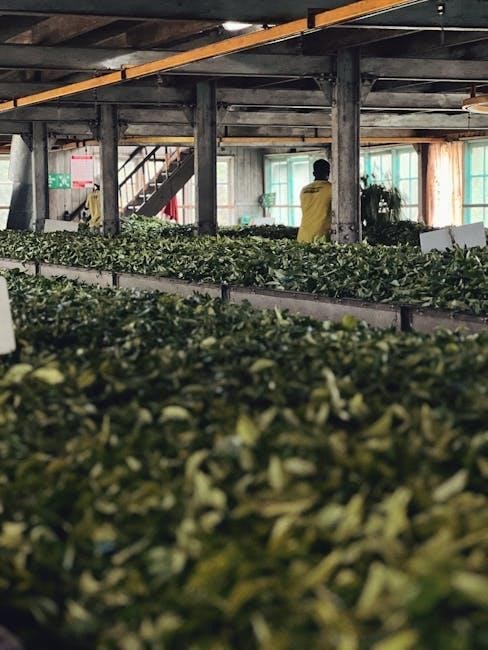
Resource Efficiency Strategies
Resource efficiency involves minimizing raw material use‚ adopting the 4Rs – reduce‚ reuse‚ remanufacture‚ and recycle – and prioritizing renewable‚ sustainable materials.
Reducing Raw Material Consumption
Minimizing raw material consumption is a cornerstone of green production‚ directly impacting resource depletion and waste generation. This involves a comprehensive assessment of material usage throughout the entire manufacturing process‚ identifying areas where optimization is possible. Implementing design for disassembly principles allows for easier component recovery and reuse at the end of a product’s life cycle.
Furthermore‚ adopting lean manufacturing techniques helps eliminate waste‚ including excess materials. Utilizing advanced technologies like 3D printing can reduce material waste by creating parts only as needed‚ rather than through subtractive manufacturing processes. Companies should also explore alternative materials with lower environmental footprints‚ focusing on those that are readily renewable and sustainably sourced. Careful material selection and efficient inventory management are crucial components of this strategy‚ contributing to both environmental and economic benefits.
Implementing the 4Rs: Reduce‚ Reuse‚ Remanufacture‚ Recycle
The 4Rs – Reduce‚ Reuse‚ Remanufacture‚ and Recycle – form the foundational strategies for environmentally conscious manufacturing. Reducing material usage at the source minimizes waste generation and resource depletion. Reusing components or products extends their lifespan‚ decreasing the demand for new materials. Remanufacturing involves restoring used products to like-new condition‚ offering a sustainable alternative to disposal and new production.
Finally‚ recycling transforms waste materials into new resources‚ closing the loop and reducing landfill burden. These practices‚ often referred to as “Re-X” technologies‚ offer significant reductions in manufacturing’s environmental impact. Successful implementation requires a shift in mindset‚ embracing circular economy principles and prioritizing resource efficiency throughout the product lifecycle. Integrating these strategies fosters a more sustainable and resilient manufacturing system.
Utilizing Renewable and Sustainable Materials
A cornerstone of green production involves transitioning from finite resources to renewable and sustainable materials. This encompasses utilizing bio-based plastics‚ sustainably sourced wood‚ and recycled content whenever feasible. Prioritizing materials with lower environmental footprints – considering their origin‚ processing‚ and end-of-life impact – is crucial. Ethical sourcing plays a vital role‚ ensuring responsible forestry practices and fair labor standards throughout the supply chain.
Companies like GOEX Apparel demonstrate this by manufacturing fabric in the US and operating a fair-wage factory in Haiti. Selecting materials that are readily replenished‚ minimizing resource depletion‚ and supporting circular economy principles are key. This proactive approach reduces reliance on virgin materials‚ lowers carbon emissions‚ and promotes a more sustainable manufacturing ecosystem.

Water Management in Green Production
Effective water management is paramount‚ involving wastewater treatment‚ reuse systems‚ efficient fixtures‚ and rainwater harvesting for non-potable industrial applications.
Water Recycling and Reuse Systems
Implementing robust water recycling and reuse systems represents a cornerstone of green production‚ significantly diminishing freshwater demand and reducing wastewater discharge into the environment. These systems employ various technologies‚ including filtration‚ sedimentation‚ and biological treatment‚ to purify water for reintegration into manufacturing processes.
The benefits extend beyond environmental stewardship; reduced water consumption translates directly into cost savings for businesses. Closed-loop systems‚ where water is continuously recycled‚ are particularly effective‚ minimizing water loss and maximizing resource utilization. Careful monitoring and maintenance are crucial to ensure water quality meets the required standards for specific applications.
Furthermore‚ integrating these systems demonstrates a commitment to sustainability‚ enhancing a company’s brand image and appealing to environmentally conscious consumers. Investment in advanced water treatment technologies showcases proactive environmental responsibility and positions the organization as a leader in sustainable manufacturing practices.
Efficient Water Use: Fixtures and Equipment
Optimizing water usage through the installation of water-efficient fixtures and equipment is a practical and impactful strategy within green production initiatives. This encompasses a wide range of upgrades‚ from low-flow faucets and spray nozzles to high-efficiency cooling towers and cleaning systems.

Implementing these changes minimizes water waste without compromising operational performance. Regularly assessing existing equipment for leaks and inefficiencies is also crucial‚ alongside employee training on water conservation best practices. Retrofitting older facilities with modern‚ water-saving technologies can yield substantial reductions in water consumption.
Beyond fixtures‚ consider process optimization to reduce water intensity in manufacturing operations. This might involve modifying cleaning procedures or adopting dry-cooling technologies. Prioritizing water efficiency not only benefits the environment but also lowers operational costs and enhances a company’s sustainability profile.
Rainwater Harvesting for Industrial Applications
Rainwater harvesting presents a compelling opportunity for industrial facilities to supplement their water supply and reduce reliance on municipal sources. Collecting and storing rainwater for non-potable applications‚ such as cooling‚ irrigation‚ and toilet flushing‚ significantly lowers water consumption and associated costs.
Implementing a rainwater harvesting system requires careful planning‚ including assessing rainfall patterns‚ determining storage capacity‚ and installing appropriate filtration and purification systems to ensure water quality. The collected rainwater can be utilized in various manufacturing processes‚ decreasing the demand for treated water.
Beyond cost savings‚ rainwater harvesting demonstrates a commitment to environmental stewardship and enhances a company’s sustainability credentials. It’s a proactive step towards responsible water management‚ aligning with the principles of green production and contributing to a more sustainable future for industrial operations.

Energy Efficiency and Conservation
Energy-efficient machining and process optimization are crucial for reducing consumption; transitioning to renewable sources further minimizes a manufacturer’s carbon footprint.
Energy-Efficient Machining Techniques
Implementing energy-efficient machining techniques is paramount in green production‚ directly addressing the substantial energy demands of manufacturing processes. Optimizing cutting parameters – speed‚ feed‚ and depth of cut – can significantly reduce energy consumption while maintaining product quality. Utilizing advanced cutting tool materials and coatings minimizes friction‚ lessening the power required for material removal.
Furthermore‚ adopting high-efficiency motors and drives‚ coupled with variable frequency drives (VFDs)‚ allows for precise control of machine speed and power output‚ avoiding wasteful energy expenditure during idle or low-load operations. Dry machining‚ or utilizing minimal coolants‚ reduces the energy associated with coolant circulation and treatment. Exploring alternative machining processes‚ such as near-net-shape manufacturing‚ minimizes material waste and subsequent machining requirements‚ inherently lowering energy usage. These combined strategies contribute to a more sustainable and cost-effective manufacturing operation.
Optimizing Energy Consumption in Manufacturing Processes

Beyond machining‚ holistic energy optimization across all manufacturing processes is crucial. Conducting comprehensive energy audits identifies areas of significant energy loss and potential improvements. Implementing smart manufacturing technologies‚ such as real-time energy monitoring and control systems‚ enables data-driven decision-making and proactive energy management.
Waste heat recovery systems capture and reuse otherwise lost thermal energy‚ reducing reliance on external energy sources. Optimizing compressed air systems – often major energy consumers – through leak detection and repair‚ proper sizing‚ and efficient control strategies yields substantial savings. Improving insulation in buildings and equipment minimizes heat transfer‚ reducing heating and cooling demands. Finally‚ employee training and awareness programs foster a culture of energy conservation‚ empowering personnel to identify and implement energy-saving practices throughout the facility.
Transitioning to Renewable Energy Sources
A pivotal step in green production involves transitioning from fossil fuels to renewable energy sources. On-site solar photovoltaic (PV) systems directly generate electricity‚ reducing reliance on grid power and lowering carbon emissions. Wind turbines‚ where geographically feasible‚ offer another avenue for renewable energy generation. Purchasing renewable energy credits (RECs) supports off-site renewable energy projects‚ effectively offsetting carbon footprints.
Power purchase agreements (PPAs) enable long-term contracts for renewable energy at predictable rates. Exploring biomass energy‚ utilizing sustainably sourced organic materials‚ provides a renewable alternative for heating and power. Integrating energy storage solutions‚ like batteries‚ enhances the reliability and stability of renewable energy systems. Careful consideration of energy demand profiles and renewable resource availability is essential for successful implementation‚ maximizing environmental and economic benefits.

Waste Reduction and Management
Effective waste management prioritizes minimizing generation at the source‚ embracing circular economy practices‚ and implementing responsible disposal/recycling programs.
Minimizing Waste Generation at the Source
Proactive waste reduction begins with a fundamental shift in production philosophies‚ focusing on preventing waste creation rather than managing it afterward. This involves meticulous process analysis to identify inefficiencies and opportunities for optimization. Implementing lean manufacturing principles‚ such as just-in-time inventory and streamlined workflows‚ significantly reduces material excess and associated waste.
Design for disassembly is crucial; products should be conceived with end-of-life considerations‚ facilitating easy component separation for reuse or recycling. Material selection plays a vital role – opting for durable‚ high-quality materials extends product lifecycles and minimizes the need for frequent replacements. Furthermore‚ employee training programs emphasizing waste reduction techniques and fostering a culture of environmental responsibility are essential for sustained success. By prioritizing prevention‚ manufacturers can dramatically lessen their environmental footprint and enhance operational efficiency.
Implementing Circular Economy Practices
Transitioning to a circular economy model necessitates a departure from the traditional linear “take-make-dispose” approach. This involves designing products for longevity‚ repairability‚ and eventual material recovery. Key strategies include remanufacturing‚ where used products are restored to like-new condition‚ and reuse‚ extending product lifecycles through direct repurposing. Recycling‚ while important‚ is considered a last resort within the circularity hierarchy.
Implementing “Re-X” practices – encompassing reuse‚ remanufacturing‚ and recycling – offers substantial environmental benefits. Closed-loop systems‚ where waste materials are reintegrated into the production process‚ minimize resource depletion and waste generation. Collaboration across the supply chain is vital‚ fostering partnerships to facilitate material exchange and shared responsibility. Ultimately‚ embracing circularity not only reduces environmental impact but also unlocks new economic opportunities through resource optimization and innovation.
Responsible Waste Disposal and Recycling Programs
Effective waste management is crucial in green production‚ extending beyond simple disposal to encompass minimization and resource recovery. Prioritizing waste reduction at the source is paramount‚ achieved through process optimization and material substitution. When waste generation is unavoidable‚ robust recycling programs are essential‚ ensuring materials are properly sorted and processed for reuse.
However‚ responsible disposal requires careful consideration of environmental regulations and potential hazards. Partnering with certified waste management facilities guarantees adherence to best practices and minimizes landfill impact. Beyond traditional recycling‚ exploring innovative waste-to-energy technologies can further reduce environmental burden. Transparent tracking and reporting of waste streams are vital for continuous improvement and demonstrating commitment to sustainability. A holistic approach to waste management transforms liabilities into valuable resources.

Supply Chain Sustainability
Sustainable supply chains prioritize ethical sourcing‚ fair labor practices‚ and reduced transportation emissions through localization – vital components of green production.
Ethical Sourcing of Raw Materials
Ethical sourcing transcends simply acquiring materials; it demands a comprehensive evaluation of the social and environmental impacts throughout the entire supply chain. This involves verifying that raw materials are obtained responsibly‚ avoiding conflict minerals and ensuring adherence to fair trade principles.
Transparency is paramount‚ requiring manufacturers to trace materials back to their origin and assess the practices of suppliers. Prioritizing suppliers committed to sustainable forestry‚ responsible mining‚ and ethical labor standards is crucial. Supporting businesses like GOEX Apparel‚ which utilizes US-made fabrics and provides fair wages and benefits in their Haitian factory‚ exemplifies this commitment.
Furthermore‚ ethical sourcing extends to minimizing the environmental footprint of extraction and processing‚ promoting biodiversity‚ and respecting the rights of local communities. It’s a fundamental pillar of a truly sustainable manufacturing approach.
Supporting Fair Labor Practices in Manufacturing
Fair labor practices are inextricably linked to green production‚ forming a crucial component of social sustainability within the manufacturing sector. Beyond environmental concerns‚ ethical production necessitates ensuring safe working conditions‚ fair wages‚ and respect for worker rights throughout the supply chain.
This includes actively monitoring suppliers to prevent exploitation‚ child labor‚ and forced labor. Companies should prioritize partnerships with factories that provide benefits like medical care‚ as demonstrated by GOEX Apparel’s operations in Haiti‚ where employees receive comprehensive support including lunch provisions.
Investing in worker training and empowerment programs further strengthens ethical manufacturing. Transparency and accountability are key‚ demanding clear communication and adherence to international labor standards. Ultimately‚ prioritizing people alongside planet is essential for genuine sustainability.
Localizing Supply Chains to Reduce Transportation Emissions
Reducing transportation emissions is a significant aspect of green production‚ and localizing supply chains offers a powerful strategy to achieve this goal. By sourcing raw materials and components from nearby suppliers‚ manufacturers can dramatically shorten transportation distances‚ lessening the carbon footprint associated with logistics.
This approach minimizes reliance on long-haul trucking‚ shipping‚ and air freight‚ all of which contribute substantially to greenhouse gas emissions. Supporting local economies fosters resilience and reduces vulnerability to global supply chain disruptions‚ as seen with recent events.
Furthermore‚ localized sourcing can enhance responsiveness to market demands and improve overall supply chain efficiency. While complete regionalization may not always be feasible‚ prioritizing nearby suppliers whenever possible is a practical step towards a more sustainable manufacturing model.

Measuring and Reporting Sustainability Performance
Tracking progress is crucial; utilize KPIs‚ Life Cycle Assessments‚ and established reporting standards to demonstrate commitment and transparency in green production efforts.
Key Performance Indicators (KPIs) for Green Production
Establishing robust KPIs is fundamental to evaluating and improving green production initiatives. These metrics provide quantifiable data to track progress and identify areas needing optimization. Crucial KPIs include raw material consumption per unit produced‚ measuring resource efficiency and waste reduction effectiveness.
Water usage intensity‚ calculated as water consumed per unit of output‚ highlights water management performance. Energy consumption per unit‚ alongside the percentage of renewable energy utilized‚ assesses energy efficiency and the transition to sustainable sources.
Waste generation rates‚ categorized by disposal method (landfill‚ recycling‚ reuse)‚ reveal waste management effectiveness. Furthermore‚ tracking carbon footprint – encompassing emissions across the entire value chain – is vital. Monitoring supplier sustainability scores and adherence to ethical sourcing practices completes a holistic view; Regularly reviewing and adjusting these KPIs ensures continuous improvement and alignment with sustainability goals.
Life Cycle Assessment (LCA) Methodology
Life Cycle Assessment (LCA) is a comprehensive methodology evaluating the environmental impacts of a product or process throughout its entire lifespan – from raw material extraction to end-of-life disposal. This “cradle-to-grave” approach identifies environmental hotspots and opportunities for improvement.
The LCA process involves four key stages: goal and scope definition‚ inventory analysis (quantifying all inputs and outputs)‚ impact assessment (evaluating potential environmental effects like climate change and resource depletion)‚ and interpretation of results.
LCA considers factors like energy consumption‚ water usage‚ emissions‚ and waste generation at each stage. It enables informed decision-making regarding material selection‚ process optimization‚ and product design. By revealing the full environmental burden‚ LCA supports the development of truly sustainable products and manufacturing systems‚ fostering a circular economy.
Sustainability Reporting Standards and Frameworks
Transparent sustainability reporting is crucial for demonstrating a commitment to green production and building stakeholder trust. Several established standards and frameworks guide this process‚ ensuring consistency and comparability.
The Global Reporting Initiative (GRI) provides widely used standards covering economic‚ environmental‚ and social impacts. The Sustainability Accounting Standards Board (SASB) focuses on financially material sustainability information relevant to investors.
Other frameworks‚ like the Carbon Disclosure Project (CDP)‚ concentrate on climate change-related disclosures. Utilizing these frameworks allows companies to systematically measure‚ report‚ and improve their sustainability performance. Fundamentally‚ descriptive metrics are vital for evaluation and feedback‚ enabling continuous improvement and demonstrating accountability to customers‚ investors‚ and regulators.