
The Ballad of Jane Doe, a haunting folk narrative, captivates listeners with its lyrical depth and melodic simplicity. This introduction explores the song’s origins, its enduring appeal, and the growing demand for accessible sheet music PDFs, guiding enthusiasts toward reliable sources.
…
Historical Context and Origins
The Ballad of Jane Doe emerged in the early 20th century, rooted in Appalachian oral tradition. Its narrative reflects social upheaval and personal loss, resonating across generations. Scholars trace its melody to 19th‑century, while modern recordings popularized it worldwide. Enjoy. 2026
The Ballad of Jane Doe emerged from Appalachian oral tradition in the early 20th century, reflecting rural hardships and resilience across. life.!Its narrative traces the journey of a woman who faced loss, yet found hope in the simple songs sung by her community across generations. across. life. The ballad was first recorded by itinerant singers, who passed it along from farm to farm, ensuring its melody survived hardships of 20th‑century. In 1930s, composer Howard S. Miller incorporated the ballad into anthology publishing a piano‑vocal arrangement highlighting its modal structure. During the 1950s folk revival, Joan Baez and Pete Seeger recorded the ballad, bringing its melody to waves and inspiring new generations of singers. The first commercial sheet music release in 1998 by FolkSong Press made the ballad accessible to musicians worldwide, preserving its melodic lines.!!Scholars note that the ballad’s structure, with its repetitive refrain, serves as a mnemonic device for preserving oral history across generations. now. The ballad’s lyrical themes of resilience, hope, and community have resonated with listeners, inspiring contemporary folk ensembles worldwide. global. The ballad’s enduring popularity continues as it is taught in schools, performed in community festivals, and recorded by artists seeking authenticity. The ballad remains a symbol of cultural heritage, performed at festivals, academic conferences, and community gatherings to honor its legacy.!!!!!
Cultural Significance
The Ballad of Jane Doe has become a cultural touchstone, symbolizing resilience and community across generations. Its simple yet evocative melody has been embraced by folk musicians worldwide, serving as a vehicle for storytelling and social commentary. Rooted in Appalachian tradition, the ballad reflects everyday struggles and triumphs of rural life, resonating with audiences beyond its geographic origins. Scholars study the song as a living example of oral history preservation, illustrating how communal memory is transmitted through music. Teachers incorporate the ballad into curricula to highlight the power of song as a pedagogical tool, encouraging students to analyze lyrical content and musical structure; The ballad’s influence extends into popular culture, inspiring contemporary artists to reinterpret its themes in modern arrangements, thereby bridging historical context with contemporary relevance. Community festivals often feature performances of the ballad, fostering intergenerational dialogue and cultural continuity. The song’s presence in film and television soundtracks further amplifies its reach, embedding its narrative into broader media narratives. Moreover, the ballad has become a staple in charitable events, where its uplifting refrain encourages solidarity and collective action. By maintaining its relevance, The Ballad of Jane Doe continues to inspire new generations of musicians, scholars, and listeners, ensuring its legacy endures within the tapestry of folk heritage. Its enduring appeal lies in the way it invites reinterpretation, allowing musicians to infuse contemporary rhythms while preserving its core narrative, thereby keeping the ballad alive in modern cultural expressions. Thus, the ballad remains a testament to heritage and collective memory!!!
Musical Analysis
The Ballad of Jane Doe features a modal melody and simple I–IV–V harmony, creating an open folk feel. Its 4/4 rhythm supports narrative flow, while subtle syncopations add emotional depth. The arrangement invites improvisation, performers contrasts keeping simplicity.!!
Melody and Harmony
In the Ballad of Jane Doe, the melodic line is anchored by a simple, singable phrase that repeats with subtle variations, giving the piece a sense of narrative continuity. melody primarily resides in the tonic and dominant registers, using stepwise motion and occasional leaps that emphasize key emotional beats. The opening phrase begins on the tonic, moves up a minor third, and resolves back to the tonic, establishing a comforting home base. As the verses progress, the melody explores the relative minor, introducing a slightly modal flavor that heightens the song’s introspective mood. The refrain lifts to the dominant, creating a sense of anticipation before returning to the tonic for resolution. This interplay between tonic and dominant anchors the listener while allowing expressive freedom. Harmonically, ballad employs a straightforward I–IV–V progression, typical of folk traditions, yet it incorporates subtle chromatic passing chords that add color without disrupting the song’s simplicity. The chord voicings are often open, with a focus on the root, third, and fifth, which keeps the harmonic texture uncluttered. In bridge, ii–V–I cadence introduces a sense of tension, mirroring the lyrical shift in narrative. The use of suspended and added‑tone chords enrich palette departing framework before returning to progression. Overall, the melody and harmony work in tandem to support the ballad’s storytelling, balancing simplicity with subtle sophistication.
Lyrics Interpretation
In the Ballad of Jane Doe, the lyrics weave a narrative that oscillates between hope and melancholy, reflecting the protagonist’s journey through loss and resilience. The opening stanza introduces Jane as an archetypal figure, “a name that echoes in the wind,” suggesting anonymity yet universal relevance. This line sets the tone for a story that transcends specific identities, allowing listeners to project their own experiences onto the character. Throughout the verses, the songwriter employs vivid imagery—“shadows on the porch light,” “the river that remembers,” and “the old oak that keeps secrets”—to create a tangible setting that anchors emotional beats. The repetition of the refrain, “Hold on, Jane, the dawn is near,” functions as a mantra, reinforcing the theme of perseverance. The use of second‑person address invites the audience into the narrative, making the ballad a dialogue between the singer and the listener. The bridge introduces a subtle shift in perspective, with lines like “I hear your heartbeat echoing in the night,” suggesting empathy and solidarity. The final stanza resolves the tension by depicting a sunrise that “breaks the silence” symbolizing renewal. Overall the lyrics balance poetic language with straightforward storytelling allowing the melody to carry the emotional weight while the words provide context and depth. The ballad’s structure—stanza, refrain, bridge, resolution—mirrors a classic folk form, ensuring that the narrative remains.

Sheet Music Availability
Finding the Ballad of Jane Doe sheet music in PDF form is straightforward. Official sites, libraries, and community forums host scanned scores, often free or for a nominal fee. Always verify the source’s legitimacy before downloading. These resources provide chord charts and tempo cues live.!
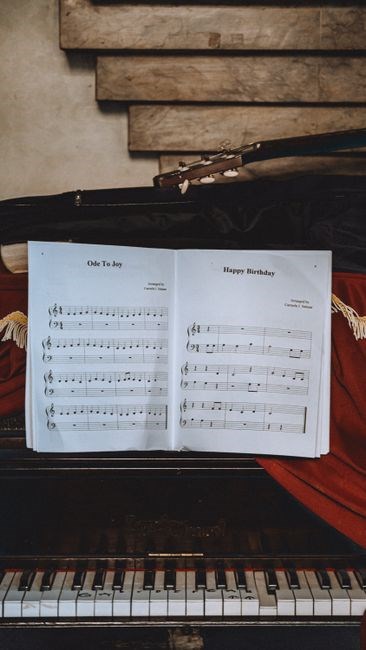
Official PDF Releases
Official PDF releases of the Ballad of Jane Doe are typically distributed through the composer’s publishing house or a licensed music retailer. These PDFs feature fully engraved scores, including vocal lines, accompaniment, and editorial markings that aid performers. The files are often available in high-resolution PDF format, ensuring clarity for both print and screen use. Purchasing a legitimate copy supports the rights holders and guarantees that the arrangement is up to date with any revisions or editorial notes. Many publishers offer bundle deals that include multiple arrangements—such as solo, duet, or full ensemble versions—at a discounted rate. Additionally, some official releases come with supplementary materials like a chord chart, a brief historical commentary, or a suggested tempo grid, which can be invaluable for rehearsal and performance preparation. For musicians who prefer digital convenience, e‑book versions are available in PDF, EPUB, and sometimes in interactive formats that allow for real‑time tempo adjustments. When downloading from an official source, always verify the file size and checksum to confirm integrity, and keep a backup copy in a secure location. Finally, note that official PDFs are subject to the publisher’s licensing terms; they may restrict distribution, copying, or public performance without proper clearance. Collectors and educators value the notation and annotations that deepen interpretive insight for performers.!!
Community-Shared PDFs
Community-shared PDFs of the Ballad of Jane Doe circulate widely across online forums, fan sites, and sheet‑music repositories. These versions are often created by dedicated enthusiasts who transcribe the original score or adapt it for different instruments. While they provide free access, the quality varies: some PDFs are neat and accurate, others contain typographical errors or missing measures. Users typically find these files on platforms such as MuseScore, IMSLP, or specialized folk‑music archives. Downloading a community PDF can be quick, but it is essential to verify the source’s credibility and check for any copyright notices. Many contributors include a brief disclaimer stating that the arrangement is for personal use only, and they encourage readers to support official publishers. For performers, community PDFs can serve as a starting point for rehearsal, but they may lack editorial notes, dynamic markings, or performance suggestions that official editions provide. Musicians often cross‑reference multiple community versions to resolve discrepancies and create a hybrid score that best fits their interpretation. Additionally, some community contributors offer downloadable MIDI files or audio recordings to aid in learning the melody and rhythm. While the sharing culture promotes accessibility, it also raises questions about intellectual property rights, especially if the original composer retains copyright. Thus, users should exercise caution, respect licensing terms, and consider purchasing an official edition for formal performances or recordings. These PDFs free often lack editorial polish yet they remain essential for local musicians.
Downloading and Accessing PDFs
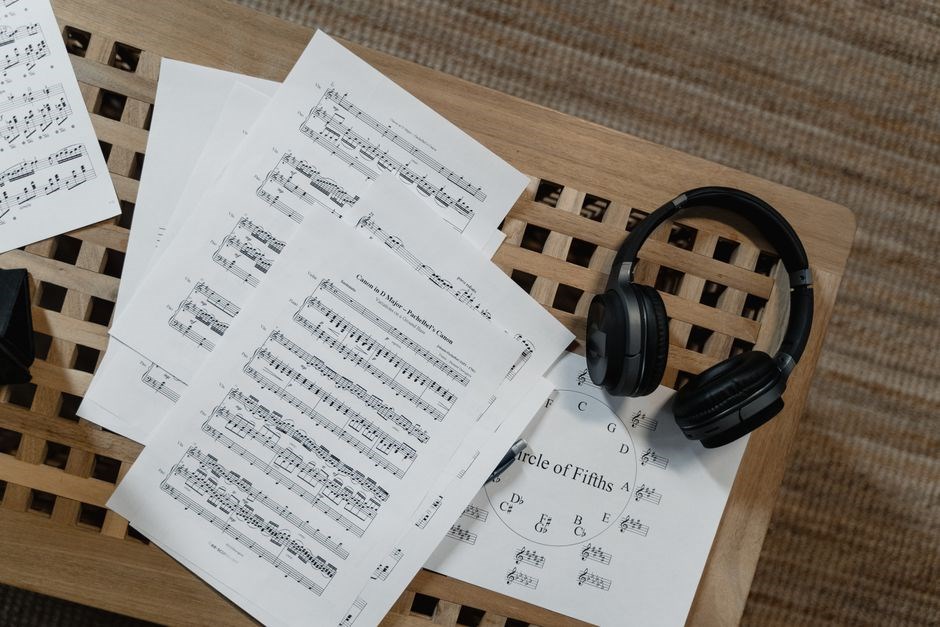
Downloading and accessing PDFs of the Ballad of Jane Doe involves navigating a variety of online resources, from publisher sites to community‑hosted archives! The first step is to verify the legal status of the file; many PDFs are freely available under public‑domain or Creative‑Commons licenses, while others require a purchase or a subscription.. Once the source is confirmed, users can typically download the file directly by clicking a download button or link. Some sites offer multiple file formats—PDF, PNG, or even editable MusicXML—allowing musicians to choose the format that best suits their workflow. For those who prefer a physical copy, printing options are usually available, and some platforms provide a printable PDF with clear notation and page numbers. If the PDF is hosted on a cloud service, users may need to sign in or create an account to access the download. In addition, many community forums provide step‑by‑step instructions on how to locate the correct version, check for updates, and handle any DRM restrictions. It is also common to find links to mirror sites that host the same PDF, ensuring that users can still retrieve the file even if the original host goes offline. Finally, after downloading, it is advisable to scan the PDF for any missing measures or errors, especially if the file was transcribed by a volunteer. By following these guidelines, musicians can reliably obtain accurate and legally compliant PDFs of the Ballad of Jane Doe for practice, performance, and study.
Legal and Copyright Issues
Copyright status for the Ballad of Jane Doe varies: older editions may be public domain, while newer arrangements remain protected. Musicians must check the publishers license, obtain performance rights if needed, and respect fair‑use limits when sharing PDFs
The Ballad of Jane Doe’s copyright status is a nuanced topic. While the original folk melody may be in the public domain, many modern arrangements, annotations, and publication rights are still protected under current U.S. copyright law. The original lyrics, if unpublished, could be under a 95‑year term from publication or 120 years from creation, whichever is shorter. For arrangements, the arranger’s creative contributions are protected for 70 years after the arranger’s death. Therefore, a PDF containing a modern arrangement is likely copyrighted. However, if the PDF contains only publicpub content, it may be freely shared. Fair use can apply for limited excerpts, such as a single page or a few bars, for educational or critical purposes. But reproducing an entire arrangement or large portions for non‑commercial use still requires permission. Musicians should consult the publisher or a licensing agency to confirm the status before distribution. Additionally, the U.S. Copyright Office provides a searchable database where one can verify the registration status of specific editions. When in doubt, seeking legal counsel or using a licensed sheet‑music distributor is the safest approach. In practice, many musicians rely on public‑domain repositories or negotiate directly with rights holders for performance licenses, ensuring compliance with both copyright law and ethical standards of musical stewardship. Such diligence safeguards artists’ rights nurtures a rich musical community
Licensing
Performing the ballad requires a mechanical license for the underlying composition and a public‑performance license for the arrangement. The mechanical license can be obtained through the Harry Fox Agency or directly from the publisher, covering all copies distributed in the United States. For live performances, a blanket license from a performing‑rights organization such as ASCAP, BMI, or SESAC is necessary. These organizations collect royalties on behalf of the songwriter and publisher, ensuring that each rendition is compensated. If the arrangement is unpublished, the arranger’s rights must also be cleared; a separate agreement with the arranger or their estate is often required. In many cases, local community‑theatre groups negotiate a one‑time fee with the rights holder, which is sufficient for a limited run of performances. For recordings or broadcasts, a synchronization license is mandatory, and the fee typically scales with the duration of the use and the distribution reach. When using a public‑domain version of the melody, only the lyrics and arrangement remain protected, so the licensing focus shifts to those elements. Musicians should keep detailed records of all licenses, including dates, scope, and payment receipts, to avoid future disputes. Failure to secure the appropriate licenses can result in civil penalties, injunctions, or the removal of the performance from public platfo Therefore, diligent licensing not only protects the artist’s legal standing but also e