
The procedure aims to reduce nerve root inflammation and block pain impulses using CT guidance, providing temporary relief, with local anaesthetic and steroid injections.
Purpose of the Procedure
The primary objective of CT Guided Nerve Root Injection is to alleviate pain and inflammation by targeting the specific nerve root responsible for the discomfort.
CT guidance enables precise injection of local anaesthetic and steroid into the affected area, reducing inflammation and blocking pain impulses.
This procedure is designed to provide relief for patients suffering from chronic pain, particularly those with nerve root compression or irritation.
By utilizing CT guidance, the injection can be accurately administered, minimizing the risk of complications and ensuring optimal results.
The purpose of this procedure is to improve the patient’s quality of life by reducing pain and inflammation, and to facilitate a faster recovery.
With the help of CT guidance, the injection can be tailored to the individual patient’s needs, providing a personalized treatment approach.
The goal of CT Guided Nerve Root Injection is to provide effective pain management, reducing the need for medication and surgery.
This procedure has been shown to be a safe and effective treatment option for patients with nerve root pain, offering a minimally invasive alternative to traditional treatments.
By reducing inflammation and blocking pain impulses, CT Guided Nerve Root Injection can help patients regain mobility and resume their daily activities.
Overall, the purpose of this procedure is to provide a safe, effective, and minimally invasive treatment option for patients with nerve root pain, improving their overall quality of life.
Benefits and Risks of the Procedure
The benefits of CT Guided Nerve Root Injection include effective pain relief, reduced inflammation, and improved mobility. This procedure can also help patients avoid surgery and reduce their reliance on pain medication; CT guidance ensures precise injection of local anaesthetic and steroid, minimizing the risk of complications. However, as with any medical procedure, there are potential risks and side effects, such as infection, bleeding, and nerve damage. Patients may also experience temporary side effects, including numbness, tingling, and weakness. It is essential to discuss the potential benefits and risks with a qualified healthcare professional to determine if CT Guided Nerve Root Injection is the right treatment option. By weighing the potential benefits and risks, patients can make an informed decision about their treatment. The benefits of this procedure can be significant, providing patients with a improved quality of life and reduced pain. With proper care and follow-up, the risks associated with CT Guided Nerve Root Injection can be minimized, ensuring a safe and effective treatment experience.

Preparation for the Procedure
Before the procedure, patients must bring all insurance details and fill in the required forms, ensuring a smooth and efficient process with CT guidance.
Required Documents and Insurance Details
To ensure a seamless experience, patients are required to bring all necessary insurance details and identification documents on the day of the procedure. This includes, but is not limited to, health insurance cards, driver’s licenses, and any relevant medical records. It is essential to verify the specific document requirements with the healthcare provider prior to the procedure to avoid any delays or complications. Additionally, patients should be prepared to provide detailed contact information and emergency contact details as part of the standard registration process; By having all the necessary documents and information readily available, patients can help ensure a smooth and efficient experience throughout the CT guided nerve root injection process, allowing them to focus on their recovery and well-being. The healthcare provider will guide the patient through the process, ensuring that all necessary paperwork and administrative tasks are completed accurately and efficiently, enabling the patient to receive the best possible care and attention.
Furthermore, it is crucial to note that the specific requirements for documents and insurance details may vary depending on the individual’s circumstances and the healthcare provider’s policies. Therefore, it is vital to consult with the healthcare provider to confirm the exact requirements and to address any questions or concerns the patient may have, ensuring that they are fully prepared and informed throughout the entire process, from the initial consultation to the post-procedure follow-up, and that they can make informed decisions about their care and treatment, with the guidance and support of their healthcare provider, every step of the way, to achieve the best possible outcomes and results.
Pre-Procedure Instructions and Guidelines
Before undergoing a CT guided nerve root injection, patients are typically provided with a set of pre-procedure instructions and guidelines to ensure their safety and comfort during the procedure. These instructions may include medication management, such as stopping certain medications or adjusting dosages, as well as dietary restrictions, like fasting or avoiding certain foods. Patients are also advised to arrive early at the procedure location to complete any necessary paperwork and to allow time for pre-procedure preparations, such as changing into a gown or removing jewelry. Additionally, patients should inform their doctor about any allergies or sensitivities to medications or materials, as well as any medical conditions that may affect the procedure. By following these instructions and guidelines, patients can help ensure a smooth and successful procedure, and minimize the risk of complications or adverse reactions. Clear communication with the healthcare provider is essential to address any questions or concerns, and to confirm the patient’s understanding of the pre-procedure instructions and guidelines, allowing them to feel informed and prepared for the procedure, and to make informed decisions about their care and treatment.

The Procedure itself
The procedure involves using CT guidance to inject local anaesthetic and steroid into the affected area, with precise needle placement and excellent visualization of anatomical structures, ensuring a safe and effective treatment.
How the Procedure is Performed using CT Guidance
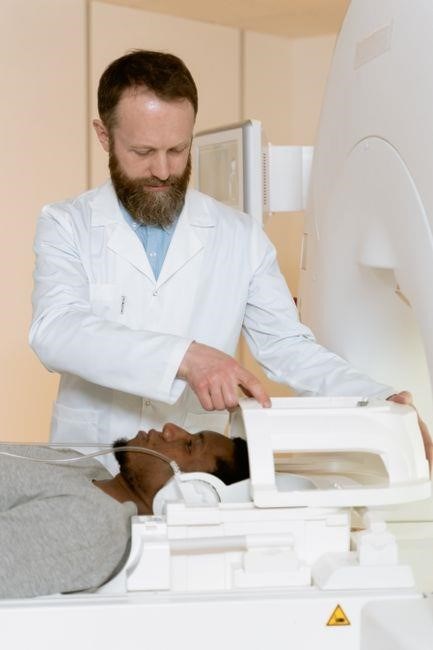
The procedure is performed by a specialized doctor using CT guidance to visualize the nerve root and surrounding structures.
CT scans are taken to confirm the correct position of the needle before injecting the medication.
This ensures precise placement of the needle and minimizes the risk of complications.
The doctor will use the CT images to guide the needle to the correct location,
and then inject the local anaesthetic and steroid into the affected area.
The procedure is typically performed on an outpatient basis,
and the patient is usually able to return home the same day.
The entire procedure usually takes about 30 minutes to an hour to complete,
depending on the individual case and the number of injections needed.
The use of CT guidance allows for real-time imaging and precise control over the needle placement,
making the procedure safer and more effective.
The CT guidance also helps to reduce the risk of complications and improve the overall outcome of the procedure.
Overall, the use of CT guidance in nerve root injections has revolutionized the field of pain management,
allowing for more precise and effective treatment of chronic pain.
With the help of CT guidance, doctors can now target the source of the pain more accurately,
leading to better outcomes and improved quality of life for patients suffering from chronic pain.
Injection of Local Anaesthetic and Steroid
The injection of local anaesthetic and steroid is a crucial step in the procedure, as it helps to reduce inflammation and block pain impulses. The local anaesthetic works by numbing the affected area, while the steroid helps to reduce swelling and inflammation. The combination of these two medications provides effective pain relief and can help to improve mobility and function. The injection is typically administered using a small needle and is usually painless, although some patients may experience mild discomfort. The local anaesthetic and steroid are injected into the affected area, where they can directly target the source of the pain. This targeted approach helps to minimize the risk of side effects and maximize the effectiveness of the treatment. By combining local anaesthetic and steroid, the injection can provide long-lasting pain relief and help patients to manage their chronic pain more effectively. The injection is a safe and minimally invasive procedure that can be repeated as needed to maintain pain relief. Overall, the injection of local anaesthetic and steroid is a valuable treatment option for patients suffering from chronic pain, and can help to improve their quality of life.
Types of Injections
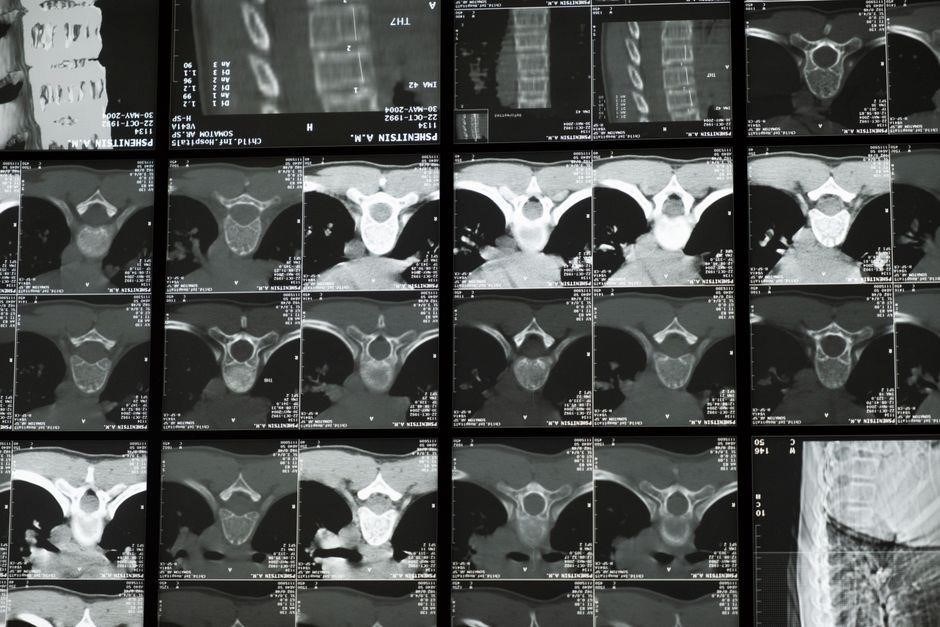
There are several types of injections, including nerve root block, facet joint injection, and epidural injection, each with its own specific uses and benefits.
Nerve Root Block

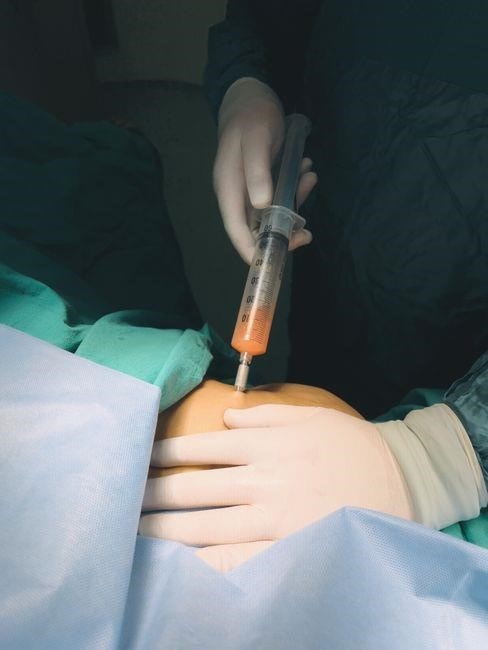
A nerve root block is a type of injection that targets the nerve root to relieve pain and inflammation. It involves injecting a local anaesthetic and steroid into the fat surrounding the nerve root.
This procedure is often used to diagnose and treat conditions such as herniated discs, spinal stenosis, and spondylolisthesis.
The goal of a nerve root block is to reduce inflammation and relieve pressure on the nerve root, providing relief from pain and discomfort.
CT guidance is used to ensure accurate placement of the needle and injection of the medication.
This procedure is typically performed on an outpatient basis, and patients can usually return to their normal activities within a few days.
It is essential to follow the instructions provided by the doctor to ensure a smooth and safe recovery.
In some cases, a nerve root block may be used in conjunction with other treatments, such as physical therapy or medication, to provide optimal relief from pain and discomfort.
Overall, a nerve root block is a safe and effective procedure for relieving pain and inflammation associated with nerve root conditions.

Facet Joint Injection and Epidural Injection
Facet joint injections and epidural injections are two types of procedures that can be used to relieve pain and inflammation in the spine.
Facet joint injections involve injecting a local anaesthetic and steroid into the facet joints, which are the joints that connect the vertebrae in the spine.
Epidural injections involve injecting a local anaesthetic and steroid into the epidural space, which is the space outside the sac that contains the spinal cord.
Both procedures can be used to relieve pain and inflammation caused by conditions such as herniated discs, spinal stenosis, and spondylolisthesis.
CT guidance is used to ensure accurate placement of the needle and injection of the medication.
These procedures can be used alone or in combination with other treatments, such as physical therapy or medication, to provide optimal relief from pain and discomfort.
The goal of these procedures is to reduce inflammation and relieve pressure on the spinal cord or nerve roots, providing relief from pain and discomfort.
It is essential to follow the instructions provided by the doctor to ensure a smooth and safe recovery.
In some cases, these procedures may be repeated if the pain and inflammation return.
Overall, facet joint injections and epidural injections are safe and effective procedures for relieving pain and inflammation associated with spinal conditions.
They can help to improve mobility and reduce discomfort, allowing patients to return to their normal activities.
With the use of CT guidance, these procedures can be performed with high accuracy and minimal risk of complications.
Patients can expect to experience relief from pain and inflammation within a few days of the procedure.
It is essential to discuss the risks and benefits of these procedures with a doctor to determine if they are the right treatment option.
Post-Procedure Care and Follow-up
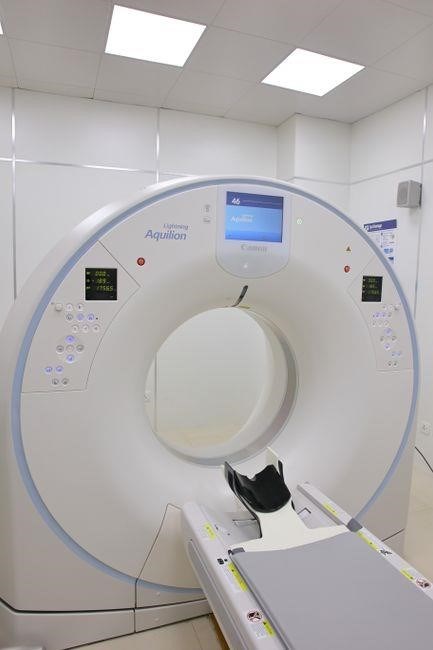
After the procedure, patients are monitored for complications and given instructions for recovery and follow-up care, including rest and medication management.
What to Expect after the Procedure
After the procedure, you may experience relief from pain and inflammation, but it’s essential to follow post-procedure instructions carefully to ensure a smooth recovery. You may be monitored for a short period after the injection to check for any complications. Your doctor will provide guidance on activities to avoid and medications to take during the recovery period. It’s crucial to keep track of any symptoms or changes in your condition and report them to your doctor. You may need to schedule a follow-up appointment to assess the effectiveness of the procedure and discuss any further treatment options. Additionally, your doctor may recommend physical therapy or other therapies to help you manage your condition and improve your overall well-being. By following your doctor’s instructions and attending follow-up appointments, you can ensure the best possible outcomes from your CT guided nerve root injection.
You should also be aware of the potential side effects of the procedure, such as bruising, swelling, or infection at the injection site. If you experience any severe symptoms or concerns, you should contact your doctor immediately. With proper care and attention, you can minimize the risk of complications and achieve optimal results from your CT guided nerve root injection.
In the days and weeks following the procedure, you may notice significant improvement in your symptoms, including reduced pain and inflammation. However, it’s essential to remember that the effects of the injection may be temporary, and you may need to undergo additional treatments to maintain pain relief. By working closely with your doctor and following their recommendations, you can develop a comprehensive treatment plan to manage your condition and achieve long-term relief from pain and discomfort.
Overall, the key to a successful CT guided nerve root injection is to carefully follow your doctor’s instructions and attend all scheduled follow-up appointments. By doing so, you can ensure the best possible outcomes from your procedure and maintain optimal health and well-being. Remember to stay informed and ask questions if you have any concerns or uncertainties about your treatment plan.

It’s also important to note that CT guided nerve root injection is a relatively safe and effective procedure when performed by a qualified and experienced doctor. However, as with any medical procedure, there are potential risks and complications that you should be aware of. By understanding the potential benefits and risks of the procedure, you can make informed decisions about your treatment and work closely with your doctor to achieve the best possible outcomes.